
A security assessment-whether residential or commercial-helps identify vulnerabilities and build a clear plan to protect your property. The key difference comes down to scale, complexity, and how the space is used. If you’re deciding which one you need, here’s the straightforward answer: homes focus on personal safety and entry points, while businesses require layered protection across people, assets, and operations.
Key Takeaways
- Residential assessments focus on home entry points and daily living patterns
- Commercial assessments cover larger spaces, staff activity, and asset protection
- Both use crime data and risk analysis, but at different levels of detail
- A proper security assessment provides clear, actionable recommendations
- Choosing the right type ensures better protection without overspending
What Is a Residential Security Assessment?
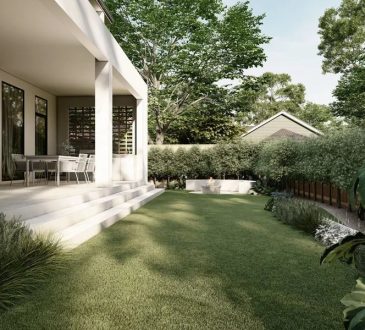
A security assessment for a home is designed around how people live. It looks at:
- Doors, windows, and garage access
- Lighting around the property
- Alarm systems and cameras
- Neighborhood crime trends
You might be wondering… isn’t locking doors enough? Not always. Many vulnerabilities are subtle-like poor visibility or outdated locks.
SafeHouse Security Consultants takes this further by providing thorough crime data analysis for your specific area, along with detailed reports with tailored recommendations to improve the security of your home or business. The goal is simple: protect your home without making things complicated.
What Is a Commercial Security Assessment?
A commercial security assessment is more complex because businesses have more moving parts. It evaluates:
- Multiple entry and exit points
- Employee access control
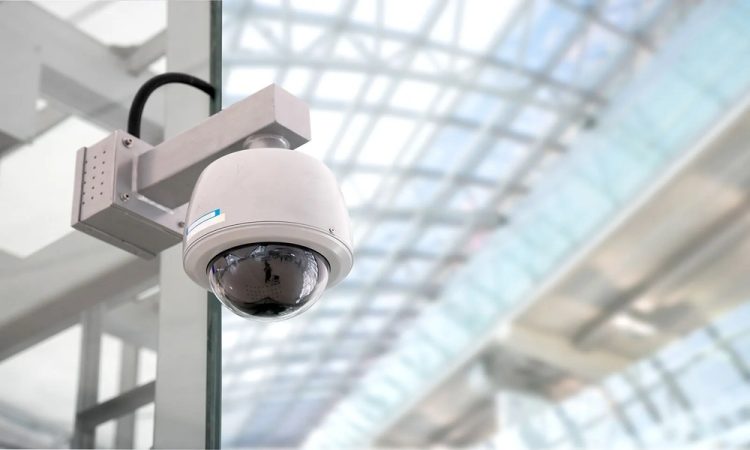
- Surveillance coverage across large areas
- Protection of inventory, equipment, and sensitive data
So what does that actually mean? Instead of focusing on a single family’s routine, it considers how employees, customers, and deliveries interact with the space every day.
Businesses also face different risks-like internal theft or unauthorized access-which require more advanced solutions.
Key Differences Between Residential and Commercial Assessments
The biggest differences come down to scope and strategy:
- Size of Property: Homes are smaller and simpler; commercial spaces can be large and multi-level
- Security Layers: Residential setups are usually basic, while commercial systems require multiple layers
- Access Control: Homes have limited users; businesses manage employees, vendors, and visitors
- Risk Level: Commercial properties often face higher and more varied threats
Despite these differences, both types of security assessment rely on identifying weak points and building a plan that actually works in real life.
Why Choosing the Right Assessment Matters
Using the wrong approach can leave gaps. A residential-level plan won’t fully protect a business, and a commercial-level system might be unnecessary for a home.
SafeHouse Security Consultants provides peace of mind where it matters most by tailoring each security assessment to the property type. They also handle the time-consuming logistics of implementing new security measures, so you don’t lift a finger, and offer exclusive discounts on systems or upgrades when needed.
Conclusion
A security assessment is not one-size-fits-all. Residential assessments focus on protecting your living space, while commercial assessments are built to secure operations, people, and assets at a larger scale. Understanding the difference helps you invest in the right level of protection-without wasted time or money.
Frequently Asked Questions
1. What is the main difference between residential and commercial security assessments?
Residential focuses on homes and entry points, while commercial covers larger spaces and operational risks.
2. Are commercial security assessments more expensive?
Usually yes, due to the size and complexity of the property.
3. Can a homeowner request a commercial-level security assessment?
Yes, but it may include features that aren’t necessary for a typical home.
4. How long does a security assessment take?
Homes typically take 1-2 hours; commercial properties may take longer.
5. Do both types include crime data analysis?
Yes, but commercial assessments often go deeper due to higher risk factors.
This article was written by a professional at SafeHouse Security Consultants. SafeHouse Security Consultants’ mission was to bring peace of mind into the home. We want to remove those fears and give you and your family peace of mind and security by applying our ten years of experience protecting people and properties to your home. We can help you protect your home with home security system companies in Hollywood, and eliminate those fears so that you can concentrate on the things that matter most to you.