EV Charger Installation for Second Homes and Vacation Properties: Ensuring Your Car Is Ready Wherever You Stay

For many homeowners in Austin, Texas, life isn’t centered around just one property anymore. It’s increasingly common to split time between a primary residence and a second home-whether that’s a lake house on Lake Travis, a beach property along the Gulf, or even an out-of-state retreat. While this lifestyle brings flexibility and relaxation, it also introduces a new layer of planning when you drive an electric vehicle.
One of the most overlooked parts of that planning is EV charging access at every property you own. Relying on public charging stations while traveling between homes might seem manageable at first, but it quickly becomes inconvenient, unpredictable, and time-consuming. That’s where a properly planned residential ev charger installation becomes a game changer for multi-property homeowners.
Why Second Homes Create Unique EV Charging Challenges
At your primary home, you may already have a charging routine-plug in overnight, wake up to a full battery, and go about your day. But second homes rarely come with that same level of infrastructure.
Vacation properties often have:
- Older electrical panels not designed for modern EV loads
- Limited electrical capacity (especially in rural or waterfront homes)
- Detached garages or long driveway distances from the main panel
- Outdated wiring or lack of 240V circuits
- Utility service differences depending on location
This means even if you own the property, your EV is often “visiting” without a reliable place to recharge.
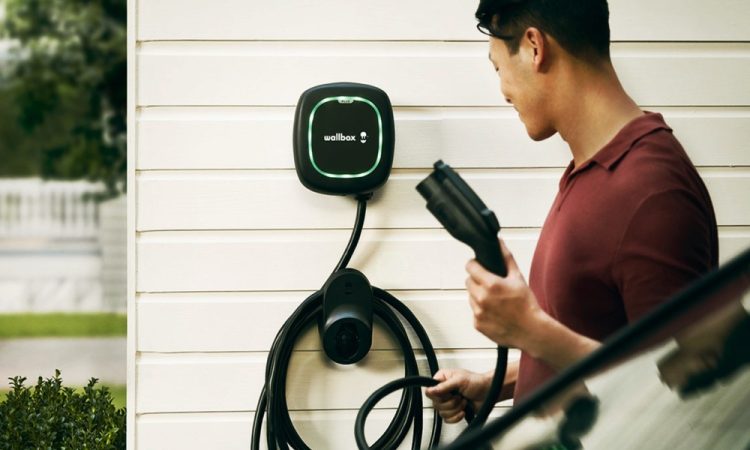
A properly designed residential ev charger installation eliminates that uncertainty by giving you consistent, predictable charging wherever you stay.
The Case for Level 2 Charging at Multiple Properties
Level 1 charging (standard 120V outlet) is technically possible at any home, but it’s extremely slow. If you arrive at your lake house on a Friday evening and plug in using Level 1, you might still be waiting for a full charge when it’s time to leave Sunday afternoon.
Level 2 charging, by contrast, operates on 240V and can typically deliver 20-60 miles of range per hour depending on your vehicle and charger.
Installing Level 2 charging at each property means:
- You wake up fully charged, even on short weekend stays
- You don’t need to plan trips around charging stops
- Your EV behaves like a fully “home-ready” vehicle everywhere you go
- You reduce reliance on public chargers in unfamiliar areas
For homeowners who split time between Austin and a secondary property, residential ev charger installation at both locations is often the difference between convenience and constant planning stress.
Lake Houses, Beach Homes, and Out-of-State Properties: Why Location Matters
Not all properties are built-or wired-the same.
Lake Houses (like those around Central Texas)
Many lake homes were built as secondary or seasonal residences. Electrical systems may be older, with limited panel capacity and minimal upgrades over time. In these cases, adding an EV charger often requires:
- A load calculation to confirm available capacity
- Possible panel upgrades
- Careful routing due to distance from garage or parking areas
Beach Properties
Coastal homes face a different challenge: corrosion and environmental wear. Electrical components may degrade faster due to humidity and salt exposure, which makes proper equipment selection critical during residential ev charger installation.
Out-of-State Homes
If you own property in another state, utility standards, permitting rules, and electrical code enforcement can vary significantly. A setup that works in Texas may not directly translate elsewhere without adjustments.
In all these cases, a “one-size-fits-all” approach doesn’t work. Each property needs its own evaluation before installing charging equipment.
Electrical Panel Capacity: The Most Important Factor Most Homeowners Miss
The biggest limitation in adding EV charging at a second property is almost always electrical capacity-not convenience.
A Level 2 charger typically requires a dedicated 240V circuit, often ranging from 30 to 60 amps. Older vacation homes may already be close to their maximum load due to:
- HVAC systems
- Water heaters
- Pool pumps
- Kitchen appliances
- Detached workshops or sheds
Without a proper assessment, adding EV charging could overload the system.
That’s why a professional residential ev charger installation always starts with a load calculation. This determines whether:
- The existing panel can support the charger
- A subpanel is needed
- A full panel upgrade is required
- Load management devices are recommended
Skipping this step can lead to tripped breakers, overheating risks, or long-term electrical strain.
Utility Service Differences Between Properties
Another overlooked factor is utility service variation.
Even within Texas, different utility providers may have different:
- Service drop configurations
- Meter locations
- Time-of-use billing structures
- Maximum service capacity limits
Outside of Texas, those differences become even more pronounced. Some areas may have stricter permitting requirements or different voltage standards for residential service.
A properly planned residential ev charger installation accounts for these differences so you don’t end up with a charger that technically works-but is inefficient, underpowered, or not compliant with local code.
Planning for Multi-Property EV Ownership
If you split time between homes, the goal should be consistency. Your EV charging experience should feel the same whether you’re in Austin, at a lake property, or hundreds of miles away.
Here’s what smart homeowners are doing:
- Installing Level 2 chargers at every frequently used property
- Standardizing charger brands for compatibility and app control
- Coordinating load capacity upgrades in advance
- Planning parking locations for optimal charger placement
- Adding weatherproof outdoor-rated equipment where needed
When done correctly, residential ev charger installation becomes part of a larger lifestyle system-not just an electrical upgrade.
Can a Handy Homeowner Install an EV Charger Themselves?
This is one of the most common questions, and the honest answer depends on the situation-but in most cases, it should not be treated as a DIY project.
On the surface, installing a charger might look simple:
- Mount the charger
- Run a circuit
- Connect to the panel
- Turn it on
However, in reality, EV charging is one of the highest continuous electrical loads in a home. Mistakes can lead to:
- Fire hazards from undersized wiring
- Code violations that affect insurance claims
- Overloaded panels and frequent breaker trips
- Improper grounding or bonding issues
- Voided equipment warranties
Even experienced DIY homeowners often underestimate how complex modern electrical code requirements are.
In Austin and throughout Texas, most residential ev charger installation work is best handled by a licensed electrician who understands:
- NEC code compliance
- Load calculations and panel balancing
- Permit requirements and inspections
- Proper wire sizing for long cable runs
- Outdoor and weatherproof installation standards
While a handy homeowner might be able to install basic fixtures or outlets, EV chargers sit in a different category entirely. They’re closer to installing a major appliance than a simple plug-in device.
Why Hiring a Licensed Electrician in Austin, Texas Matters
Working with a Texas-licensed electrician ensures your installation is:
- Code-compliant and legally permitted
- Safely integrated into your existing electrical system
- Sized correctly for both current and future vehicle needs
- Inspected and approved where required
- Protected under workmanship standards and insurance coverage
For homeowners managing multiple properties, this also creates consistency. A professional can evaluate each home and design a unified charging strategy so every location supports your EV in the same reliable way.
A properly executed residential ev charger installation is not just about convenience-it’s about protecting your home, your vehicle, and your long-term investment in electrification.
Final Thoughts
Owning more than one home should make life easier, not more complicated. But without proper EV charging infrastructure, traveling between properties can quickly become a logistical hassle.
Whether it’s a lake house weekend, a beach retreat, or an out-of-state escape, having a dependable charging setup at each location ensures your vehicle is always ready when you are.
A thoughtfully designed residential ev charger installation removes the guesswork, reduces dependence on public charging stations, and brings true convenience to your multi-home lifestyle. And while DIY might seem tempting, this is one area where professional installation from a licensed Texas electrician is almost always the smarter-and safer-choice.
When your homes are spread out, your charging solution should be unified, reliable, and built for the way you actually live.