
Sustainability has become a significant focus for homeowners and builders alike. From solar panels to energy-efficient appliances, people understand that choosing eco-friendly options not only reduces their carbon footprint but also helps decrease utility bills and increase home value. One area that shouldn’t be overlooked in this green revolution is your home’s windows.
Windows play a critical role in energy efficiency—they help regulate temperature, allow natural light into your home, and impact ventilation. In this blog, we’ll explore the eco-friendly features and options for louver, casement, and hung windows, with an emphasis on casement windows as they lead the charge in sustainable design.
Why Choose Eco-Friendly Windows?
When selecting windows for your home, sustainability should be an essential criterion. Here’s why eco-friendly options matter:
1. Energy Efficiency: Green windows help reduce heat loss or gain, lowering heating and cooling costs.
2. Sustainable Materials: Many eco-friendly options are made of durable, recyclable, or responsibly sourced materials.
3. Enhanced Natural Lighting: Properly designed windows can reduce the need for artificial lighting during the day, cutting energy usage.
4. Longevity: High-quality, sustainable windows last longer, reducing waste from replacements.
Among the three popular window types—louver, casement, and hung windows—casement windows stand out for their eco-friendly benefits and performance. Let’s dive right into their green potential.
Casement Windows: The Eco-Friendly Champion
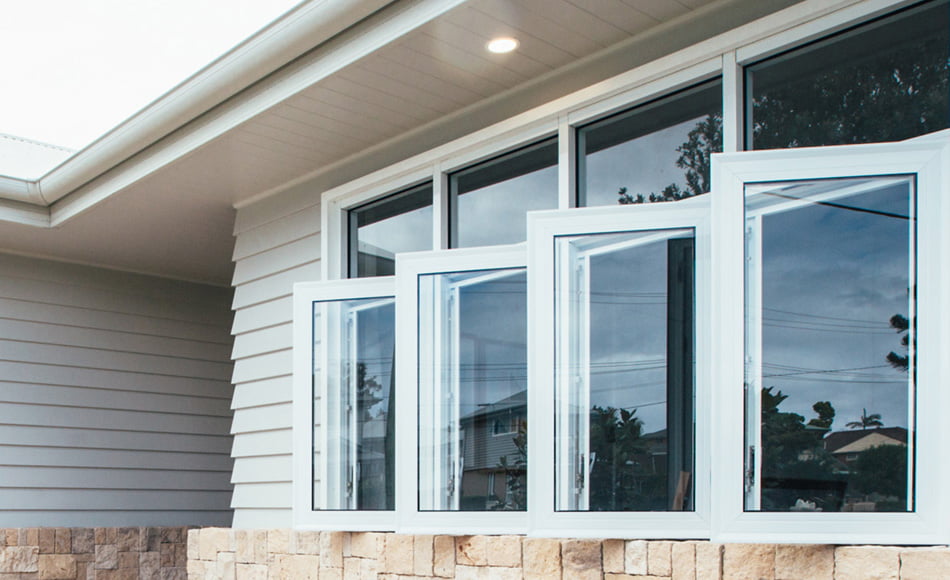
Casement windows, which swing outward when opened, are particularly well-suited for homeowners seeking sustainable solutions. Here’s how casement windows can contribute to an eco-friendly home:
1. Energy Efficiency
Casement windows boast an airtight seal when closed, making them one of the most energy-efficient window types. Their design prevents drafts, reducing heat loss in the winter and heat gain in the summer. This feature is highly desirable for homeowners aiming to lower energy consumption and utility bills.
2. Optimal Natural Ventilation
Casement windows can be opened fully outward, allowing maximum airflow into your home. This natural ventilation reduces the need for HVAC systems during mild weather, minimizing energy usage.
3. Sustainable Materials
Many manufacturers offer casement windows in eco-friendly materials, such as responsibly sourced timber, recycled aluminum, or energy-efficient fiberglass. These materials balance sustainability with durability, ensuring your windows last for decades with minimal environmental impact.
4. Low-E Glass for Temperature Regulation
Casement windows are often paired with Low-E (low emissivity) glass. This glass coating reflects heat, keeping your home cooler in summer and warmer in winter. Low-E glass enhances the energy efficiency of casement windows, further elevating their eco-friendly profile.
5. Enhanced Natural Light
Because of their simple yet expansive design, casement windows let in ample sunlight. This reduces the need for artificial lighting during the day, lowering your energy usage even further.
By selecting energy-rated casement windows, homeowners can shrink their carbon footprint while reaping the financial benefits of lower utility bills and potential tax incentives for green upgrades.
Louver Windows: Sustainable Features
Louver windows feature horizontal slats that tilt open for ventilation. Though not as energy-efficient as casement windows, they have their own eco-friendly perks:
Ideal for Tropical Climates: Louver windows allow continuous airflow, which is perfect for reducing the need for air conditioning in warmer regions.
Low-Maintenance Materials: Many louver window frames come in eco-friendly aluminum or steel, which are recyclable and highly durable.
Light Control: The adjustable slats help regulate natural light, reducing the need for artificial lighting.
That said, louver windows may struggle to offer the same insulating properties as casement windows, making them less effective in colder climates.
Hung Windows: Classic Meets Eco-Friendly
Hung windows, particularly double-hung varieties, are a classic option that can also be made more environmentally friendly with thoughtful choices:
Energy-Efficient Designs
Double-hung windows offer better ventilation than single-hung versions, making them a useful option for controlled airflow. However, they don’t seal as tightly as casement windows, leading to potential energy inefficiency over time.
Eco-Friendly Materials
Like other window types, hung windows can be made using sustainable materials such as reclaimed wood, recycled vinyl, or aluminum frames.
Glass Options
Hung windows feature similar glass upgrades as casement windows, including Low-E glass panes and double or triple-glazing for improved insulation.
While hung windows can be a solid eco-friendly addition to a home, they fall slightly behind casement windows due to their lack of airtight sealing.
Why Casement Windows Are the Superior Eco-Friendly Choice
If sustainability is your priority, casement windows offer the most advantages among the three styles. Here’s why they’re superior:
1. Airtight Seal: Provides unparalleled insulation, reducing your reliance on heating or cooling systems.
2. Wide Glass Panels: Maximizes natural light flow, cutting down on artificial light requirements.
3. High-Quality Materials: Often available in environmentally friendly options such as recycled metal or sustainably harvested wood.
4. Customization Options: You can pair casement windows with advanced energy-efficient upgrades like double-glazing or Low-E coatings.
Their functionality, aesthetics, and efficiency make casement windows the go-to solution for homeowners committed to green living.
Pick Green, Live Clean
Choosing eco-friendly windows is one of the smartest ways to enhance your home’s sustainability while saving energy and money in the long run. Whether you prefer the ventilation of aluminum louver windows, the classic charm of aluminum hung windows, or the unbeatable efficiency of aluminum casement windows, there are eco-friendly options available for every style.