

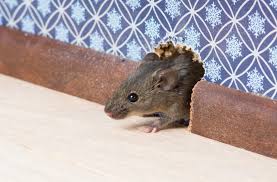
Rodents, including mice and rats, are among the most common pests that invade homes. They are not just a nuisance—they can cause significant structural damage, contaminate food, and spread diseases. Coastal and suburban areas, with abundant vegetation and accessible shelter, often provide ideal environments for rodents. Effective control requires understanding rodent behavior, recognizing signs of infestation, and implementing both preventive and professional strategies.
This guide outlines the risks posed by rodents, tips for prevention, and the benefits of professional rodent control services.
Why Rodent Control Is Important
Rodents present multiple hazards:
- Health risks: Rodents can transmit diseases such as Hantavirus, Salmonella, and Leptospirosis through urine, droppings, and bites.
- Property damage: They chew on electrical wiring, insulation, and wooden structures, potentially causing fire hazards and costly repairs.
- Food contamination: Rodents can access and contaminate stored food, posing risks to humans and pets.
- Rapid reproduction: A single pair of mice can produce dozens of offspring in a short period, leading to a full-blown infestation quickly.
Prompt action is critical to prevent small problems from escalating into major infestations.
Understanding Rodent Behavior
Rodents are highly adaptable, intelligent, and nocturnal. Understanding their habits helps in preventing and managing infestations:
- Nocturnal activity: Mice and rats are primarily active at night, foraging for food and water.
- Nesting preferences: They seek warm, sheltered areas such as attics, basements, crawl spaces, and wall voids.
- Chewing habits: Rodents gnaw continuously to keep their teeth sharp, which can result in structural damage.
- Scent marking: They use urine and droppings to mark territory and communicate with other rodents.
Knowing these patterns helps homeowners identify problem areas and implement effective preventive measures.
Early Signs of a Rodent Infestation
Detecting rodents early is key to minimizing damage:
- Droppings: Small, dark, pellet-shaped droppings are a clear indicator of rodent activity.
- Gnaw marks: Rodents chew on wires, wooden beams, furniture, and packaging.
- Noises: Scratching, squeaking, or scurrying sounds at night often indicate hidden nests.
- Tracks and grease marks: Rodents leave smudge marks along walls, floors, and entry points.
- Nesting materials: Shredded paper, fabric, or insulation may be used to create nests.
Early detection allows homeowners to address infestations before structural damage and health risks increase.
Preventive Strategies for Rodents
1. Seal Entry Points
- Inspect doors, windows, vents, and foundation cracks for gaps.
- Use steel wool, caulk, or hardware cloth to block rodent entry.
- Pay special attention to utility lines, attic vents, and crawl space openings.
2. Maintain Cleanliness
- Store food in sealed containers and clean up spills promptly.
- Dispose of garbage regularly and use secure, rodent-proof bins.
- Remove pet food after meals and keep pet feeding areas clean.
3. Manage Outdoor Environments
- Trim shrubs and trees away from the home.
- Remove debris, woodpiles, and clutter near the property.
- Keep compost and mulch away from building foundations.
4. Reduce Moisture
- Fix leaks in plumbing, roofs, and gutters.
- Ensure proper drainage in basements, crawl spaces, and yards.
- Avoid leaving standing water that can attract rodents.
5. Monitor and Inspect
- Conduct regular inspections of attics, basements, crawl spaces, and garages.
- Check for signs of droppings, gnaw marks, or nesting materials.
- Implement traps or monitoring devices in areas with high rodent activity.
Professional Rodent Control Services
While homeowners can take preventive steps, professional pest control is often necessary for complete rodent elimination:
- Comprehensive inspections: Experts identify all entry points, nesting areas, and activity hotspots.
- Targeted treatments: Safe and effective rodenticides, traps, and exclusion methods are used.
- Long-term prevention: Professionals seal entry points, remove nests, and provide guidance for ongoing protection.
- Pet and family safety: Treatments are applied to minimize risks to humans and animals.
- Follow-up monitoring: Regular check-ins ensure that rodents do not return.
Professional intervention significantly reduces the likelihood of reinfestation and ensures the safety and integrity of your home.
Common Mistakes to Avoid
| Mistake | Solution |
| Leaving gaps or cracks unsealed | Inspect and seal all potential entry points with rodent-proof materials |
| Ignoring droppings or signs | Take immediate action to prevent colonies from growing |
| Storing food improperly | Use sealed containers and maintain cleanliness in kitchens and pantries |
| DIY-only methods | Combine preventive measures with professional treatments for best results |
| Neglecting outdoor maintenance | Keep yards trimmed and free of debris to minimize rodent habitats |
Avoiding these common mistakes ensures more effective rodent control and long-term prevention.
Take Action Today
Rodents are persistent, destructive, and potentially dangerous pests. By maintaining a clean, well-maintained home and yard, monitoring for early signs, and seeking professional assistance, homeowners can protect their property, family, and pets from infestations.
For expert rodent control services, inspections, and long-term prevention strategies, contact Main Sail Pest. Their experienced team provides comprehensive solutions tailored to your property, ensuring a safe, healthy, and rodent-free environment year-round.