
A driveway is more than just a place to park vehicles. It is a major part of your home’s exterior and plays a key role in curb appeal, convenience, and property value. Choosing the right driveway material can make a significant difference in how your property looks and performs over time. Among the many options available, concrete remains one of the most reliable and long-lasting choices. A professionally installed concrete driveway offers durability, low maintenance, and design versatility that makes it an excellent investment for homeowners.
Why Homeowners Choose Concrete Driveways
Concrete driveways are popular because they combine strength with visual appeal. When properly installed, concrete can last for decades while maintaining a clean and attractive appearance. Unlike gravel or asphalt, concrete provides a solid and stable surface that can withstand heavy vehicle traffic and changing weather conditions.
Another advantage is customization. Modern concrete driveway installation techniques allow homeowners to choose from a variety of textures, colors, and decorative finishes. These options make it possible to match the driveway with the style of the home and surrounding landscaping.
Planning Your Concrete Driveway Project
Before beginning a driveway project, careful planning is essential. Homeowners should determine the size, shape, and layout of the driveway based on their property and parking needs. Factors such as the number of vehicles, garage access, and available yard space all influence the final design.
Drainage is another important consideration. A well-designed driveway should direct water away from the home and surrounding structures. Proper grading helps prevent water from pooling on the surface and reduces the risk of long-term structural damage.
Preparing the Site for Installation
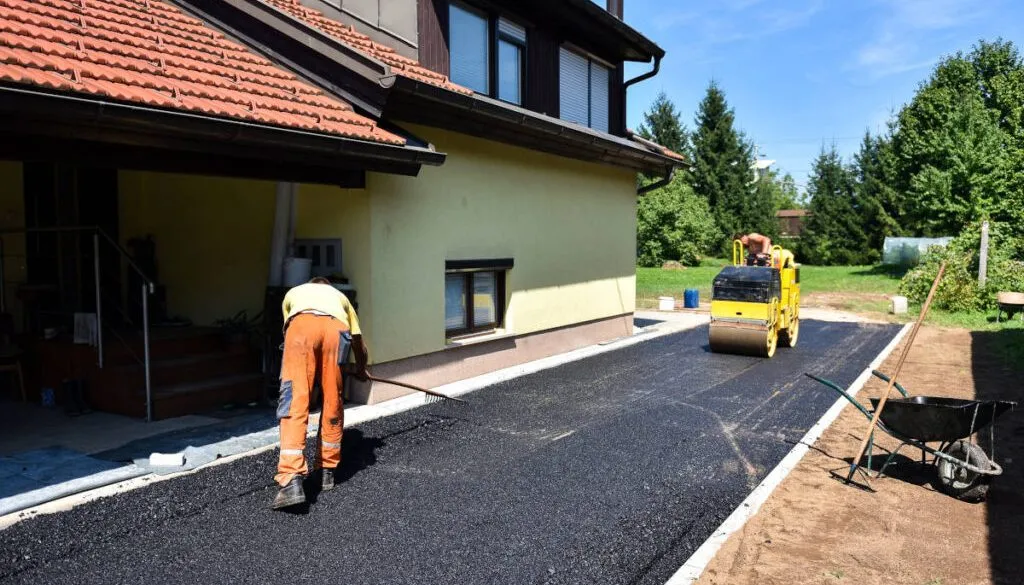
Site preparation is one of the most critical steps in concrete driveway installation. Contractors begin by clearing the designated area and removing any existing driveway materials. Excavation ensures there is enough space for a stable base and the concrete slab itself.
Once the area is excavated, a compacted sub-base made of gravel or crushed stone is installed. This base layer provides stability and supports the weight of vehicles while also improving drainage. Forms are then placed around the edges of the driveway to define its shape and create clean, straight lines.
Pouring the Concrete
After the site preparation is complete, the concrete is poured into the prepared area. Contractors carefully distribute the concrete within the forms and level the surface to ensure an even finish. Reinforcement materials such as steel mesh or rebar may also be added to improve structural strength and reduce the risk of cracking.
The concrete is then smoothed and shaped using specialized tools. This process ensures the driveway has a consistent thickness and a professional appearance.
Finishing Options for Concrete Driveways
Once the concrete has been leveled, contractors apply finishing techniques to achieve the desired look and texture. A broom finish is one of the most common options because it provides a slightly rough surface that improves traction. This is especially helpful in wet or icy conditions.
Homeowners who want a more decorative look can explore options such as stamped concrete, colored concrete, or exposed aggregate finishes. These decorative techniques allow the driveway to mimic the appearance of stone, brick, or tile while maintaining the durability of concrete.
Installing Control Joints
Concrete naturally expands and contracts as temperatures change. To prevent large cracks from forming, contractors install control joints at specific intervals along the driveway. These joints guide where small cracks may occur, helping maintain the structural integrity and appearance of the driveway.
Although minor cracks are normal in concrete surfaces, properly placed control joints help keep them minimal and less noticeable.
The Curing Process
After the concrete is poured and finished, it must cure properly to reach its full strength. Curing involves maintaining the correct moisture and temperature conditions so the concrete hardens gradually. During this time, the surface should be protected from heavy loads and excessive foot traffic.
Most concrete driveways can support light foot traffic within a day or two, but vehicles should stay off the surface for about a week. Proper curing ensures the driveway remains durable and resistant to damage.
Maintaining Your Concrete Driveway
One of the main advantages of concrete driveways is their low maintenance requirements. Routine cleaning helps remove dirt, leaves, and debris that can stain the surface. Sealing the driveway every few years adds an extra layer of protection against moisture, oil stains, and weather damage.
Homeowners should also avoid using harsh chemicals or heavy tools that could damage the surface. With simple care, a concrete driveway can maintain its appearance and functionality for decades.
Choosing the Right Concrete Driveway Company
The success of a driveway project depends largely on the experience of the contractor performing the work. A professional concrete driveway company understands the importance of proper base preparation, accurate grading, and high-quality finishing techniques.
Working with experienced professionals ensures the driveway is installed correctly and built to last. Skilled contractors can also recommend design options that enhance curb appeal while maintaining durability.
A Long-Term Upgrade for Your Property
Installing a concrete driveway is a valuable upgrade that improves both the functionality and appearance of your home. With proper planning, expert installation, and basic maintenance, a concrete driveway can last for decades while enhancing curb appeal and property value. For homeowners seeking a reliable and attractive driveway solution, concrete remains one of the best choices available.