Why Your Washing Machine Is Leaking Water and How to Stop It Immediately by professionals

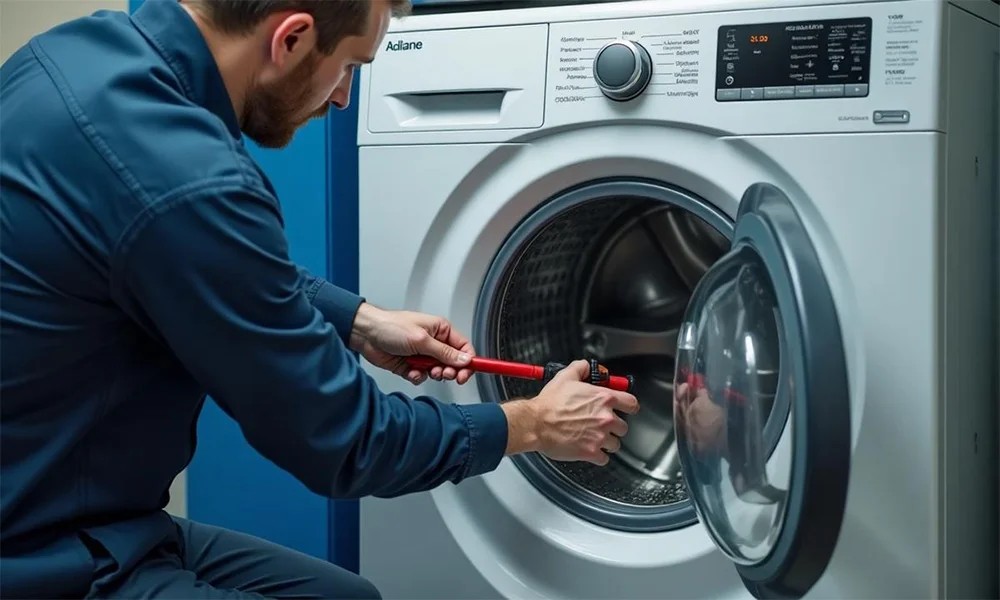
A leaking washer creates stress at home. Water spreads fast across floors. Small leaks become bigger damage over time. Many homes face this issue without warning. The cause may be simple or complex. However early action can reduce repair costs. This guide explains common reasons and clear solutions. The aim is safe and quick control. Professional advice can prevent repeat failure. A clear method helps restore normal use quickly.
Common Causes Behind Washer Leaks
A worn door seal often causes water escape. Rubber gaskets lose shape after long use. Cracks appear and water finds a path outside. Loose hose connections also create steady drips. The inlet hose may slip from its joint. A blocked drain pipe builds pressure inside. Water then forces its way through weak points. Sometimes a damaged pump seal leaks during cycles. Each cause needs close inspection before repair. The root issue must be identified correctly.
Faulty Hoses and Connections
Hoses carry water in and out safely. But hoses degrade with age and heat exposure. Small splits may not show at first glance. Water seeps slowly and spreads under the machine. A loose clamp can also release water. The connection point needs tight sealing at all times. Check both inlet and drain hoses for damage. Replace worn hoses with durable new ones. Secure every joint firmly to avoid future leaks. This step often solves a washing machine water problem quickly.
Problems with the Door Seal
Front load machines rely on tight door seals. The rubber gasket forms a strong barrier. Dirt buildup weakens the sealing surface over time. Mold growth can also damage the material slowly. Water then escapes during spinning or rinsing cycles. Cleaning the seal helps restore proper function. Use a soft cloth and mild cleaner regularly. Replace the gasket if cracks appear clearly. A new seal ensures tight closure and safe operation. Proper care extends the life of this part.
Drainage Issues and Internal Faults
Drain problems often cause unexpected leaks. A clogged drain pipe blocks water flow out. Pressure builds and forces water from weak areas. The pump may also fail during heavy loads. Internal seals within the pump can wear out. Water then leaks from beneath the unit. Check the drain filter for trapped debris. Clean it to maintain smooth water movement. If leakage continues seek professional inspection. Internal faults need expert tools and knowledge.
Immediate Steps to Stop the Leak
First turn off the water supply quickly. This stops further flow into the machine. Next unplug the power source for safety. Move the machine slightly to inspect underneath. Dry the area to locate the leak point clearly. Tighten loose connections using basic tools. Replace damaged hoses without delay for safety. Clean seals and remove visible debris gently. Sometimes a simple fix restores full function quickly. However complex issues require trained service support.
Conclusion
Leaks in washers can ruin daily life. Rapid intervention prevents electrical and structural damage. Regular examination maintains the machine. Simple maintenance prevents costly repairs. Each part contributes to safety. Careful use makes appliances last longer. Professional service resolves deeper concerns correctly. A preventative strategy safeguards house and gear. Proper maintenance and repairs ensure reliability.