

Drain blockages are a frustrating household problem that can disrupt daily routines and cause costly damage if left untreated. Understanding the top causes of drain blockages is the first step in preventing them and maintaining a healthy plumbing system.
Accumulation of Hair
Hair is one of the most common culprits behind clogged drains, especially in bathrooms. Strands of hair can easily get caught in drain traps and combine with soap scum, forming stubborn clogs over time. Showers, sinks, and bathtub drains are particularly susceptible to hair accumulation. Regular cleaning of drain covers and using hair catchers can help minimize this issue.
Grease and Fat Buildup
Kitchen sinks often face blockages caused by grease, fat, and oil. When poured down the drain, these substances can solidify and coat the interior of pipes, gradually narrowing the passage and leading to slow drainage or complete blockages. Avoid pouring grease down the sink, and instead collect it in a container for disposal. Running hot water after dishwashing can also help reduce minor buildup.
Food Particles and Debris
Food particles are another frequent cause of kitchen drain clogs. Items like rice, coffee grounds, eggshells, and fibrous vegetables can accumulate and create obstructions. Using a sink strainer to catch debris before it enters the drain is an effective preventive measure. Regularly flushing the drain with hot water or a mild cleaning solution can also keep pipes clear.
Foreign Objects and Small Items
Sometimes, accidental drops of small objects such as jewelry, toys, or utensils can block drains. These blockages often require physical removal with tools like pliers or drain snakes. Being mindful of what goes down the drain and using covers or strainers can prevent these accidents.
Tree Roots and Pipe Damage
Outdoor drains and older plumbing systems may experience blockages caused by tree roots infiltrating pipes or structural damage to the pipes themselves. Roots can grow through small cracks, creating obstructions that are difficult to remove with simple methods. In such cases, professional inspection and repair are necessary to restore proper drainage.
How to Fix Blocked Drains
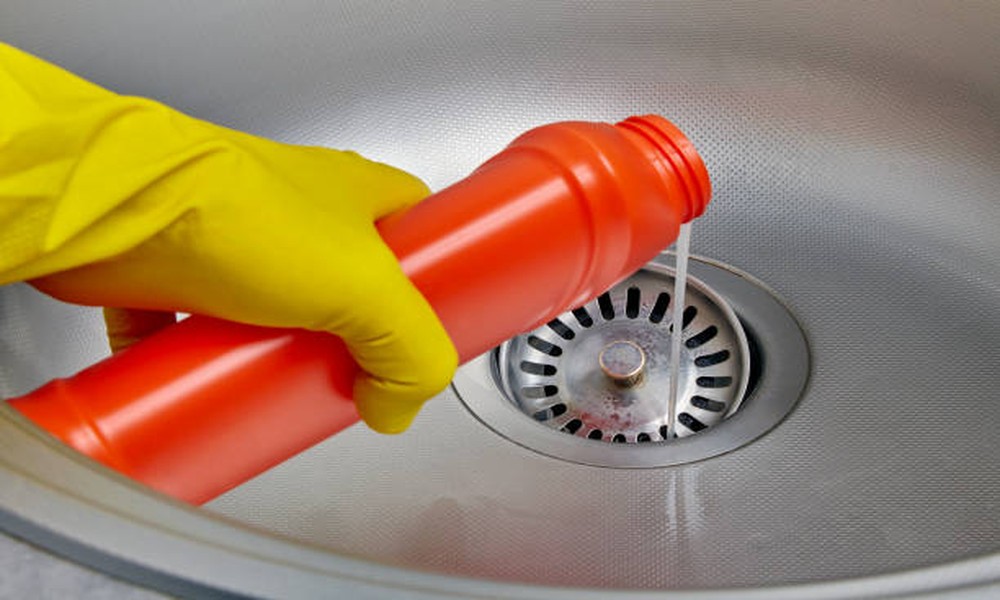
Fixing a blocked drain often depends on the type of blockage. For minor clogs caused by hair or food particles, using a plunger or a drain snake can be effective. For grease buildup, a combination of hot water and safe, enzyme-based cleaners may help dissolve the obstruction. Persistent or severe blockages, especially those involving roots or damaged pipes, usually require professional assistance to ensure the problem is fully resolved.
By understanding the common causes of drain blockages and taking preventive measures, homeowners can maintain clear, efficient drainage systems and avoid costly repairs in the long run. Regular maintenance, careful use of drains, and timely intervention are key to keeping water flowing smoothly throughout the home.
This post was written by a professional at Drain Help. As a family-owned plumbing company in San Diego County, DrainHelp offers round-the-clock service for residential and commercial properties. Our licensed plumbers are experts in drain cleaning, sewer line repair, hydro-jetting, video inspections, garbage disposal repairs, toilet replacements, full re-piping, and gas line services. We are committed to fast, reliable service with transparent pricing, including free quotes and no extra charges for after-hours work. Get in touch anytime for expert emergency plumbing in Normal Heights.