
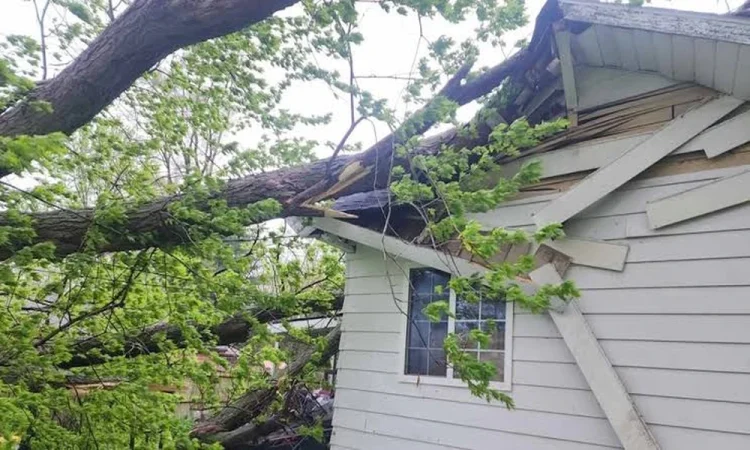
Central Indiana storms rarely announce how much damage they did. A line of thunderstorms rolls through Greenwood or Franklin after dark, the power flickers, hail rattles the windows for a few minutes, and by morning the sky is blue again. From the driveway the roof usually looks fine. That calm first impression is exactly why so much storm damage in the area goes unnoticed until a ceiling stain shows up months later.
Knowing what to look for, and what to expect once a professional climbs up, makes the difference between a simple repair and a slow leak that ruins insulation and drywall. When homeowners in Whiteland, Bargersville, or Greenwood do bring in a roofing company in Johnson County, it helps to already understand the warning signs, the way damage gets documented, and the rules that protect them when a contract is signed.
This guide walks through that whole process in the order it usually happens, starting on the ground and ending with the paperwork.
Start in the Yard Before Anyone Climbs a Ladder
The safest storm inspection begins at ground level, and it reveals more than most people expect. Hail and wind leave clues on softer surfaces long before shingle damage is visible from below.
Look at the Soft Metals
Gutters, downspouts, aluminum vent caps, and the metal on window wraps dent easily. Small round dings in a gutter or downspout are a strong sign that hail was large enough to bruise shingles too. Fresh dents look shiny and clean, while older ones are dull or rusted.
Check the Splash Zones
Walk to the bottom of each downspout and look at the ground or splash block. A small pile of dark, sandy grit is shingle granules that washed off during the storm. A little is normal on a new roof. A noticeable buildup after one storm points to impact damage.
Scan the Siding and Screens
Vinyl siding can crack or chip on the side of the house that faced the storm. Torn window screens, nicked paint on a deck rail, and shredded leaves on the lawn all help show which direction the hail came from and how hard it hit.
Understanding What Hail Actually Does to Shingles
Hail damage on asphalt shingles is often subtle. A strike can crush the granule layer and crack the mat underneath without leaving an obvious hole. Those bruised spots lose their protection from sunlight, age faster, and may start leaking a year or two later.
Size matters a great deal. According to NOAA’s National Severe Storms Laboratory, hailstones form inside strong thunderstorm updrafts and can grow far larger than the pea sized pellets most people picture. Stones around one inch across are generally where damage to asphalt roofs becomes likely, and central Indiana sees storms capable of producing that size during spring and early summer.
Wind brings a different problem. Strong gusts lift the edges of shingles and break the adhesive seal that keeps them flat. A shingle that has lost its seal may look normal but flap during the next storm until it tears off. Creased shingles, where a visible line runs across the tab, are a common sign of this kind of wind damage.
Then Head Into the Attic
If the attic is accessible, a flashlight check on the day after a storm can confirm or rule out an active leak. Look for damp spots on the underside of the roof deck, wet insulation, or drips around chimneys, plumbing vents, and skylights. On a sunny day, pinpoints of daylight coming through the deck are worth noting.
Older homes around downtown Franklin and Edinburgh often have plank decking and fewer layers of protection than newer subdivisions, so water can travel along a board before it drips. The stain on the ceiling below may sit several feet away from the actual entry point. Taking photos in the attic with a phone, including a wide shot that shows location, gives a contractor and an insurance adjuster a clear starting point.
What a Proper Professional Inspection Looks Like
A thorough inspector does more than glance at the roof. They usually mark a test square on each slope, count hail hits inside it, and photograph damage with chalk circles so the evidence is easy to read later. They check flashing around chimneys and walls, look at ridge caps, inspect pipe boots, and note the age and condition of the existing roof.
Good documentation matters because insurance carriers often send their own adjuster. When both sides are looking at the same marked damage and the same photos, disagreements get resolved faster and the scope of work is clearer.
It is also worth asking how the roof connects to the rest of the house. A roof that leaked for weeks may have soaked insulation, stained drywall, or created conditions for mold in the attic. Repairing the shingles without drying what sits underneath only fixes half the problem.
Indiana Rules That Protect Homeowners
Storms also bring door to door crews from out of state, and Indiana has clear rules to keep homeowners safe. Under the state’s Home Improvement Contracts Act, residential repair contracts over 150 dollars must be in writing and spell out the work, the total price, and the expected start and finish dates. Indiana law also prohibits contractors from offering to pay or rebate any part of an insurance deductible, so a promise to “cover your deductible” is a warning sign rather than a deal.
The Federal Trade Commission’s guidance on home improvement scams adds practical advice that fits storm season well: be cautious of anyone who shows up uninvited, pressures for a quick signature, or asks for most of the payment before work begins.
Local contractors also need to pull permits for full replacements in many Johnson County communities, and a legitimate company handles that step without being asked. Requesting proof of liability insurance and workers’ compensation coverage protects the homeowner if someone gets hurt on the property.
The Value of Moving Early
Roof damage tends to get worse with each storm that follows the first one. A bruised shingle becomes a cracked shingle, a lifted tab becomes a missing one, and a small drip in the attic becomes a stained ceiling and a moldy batt of insulation. Most insurance policies also set time limits for reporting storm damage, which makes waiting a costly habit.
A calm walk around the yard the morning after a storm, a quick look in the attic, and a well documented inspection give Johnson County homeowners a clear picture of what the weather really left behind. With that picture in hand, the repair decisions that follow become far easier to make with confidence.