The Benefits of Having Your HVAC and Plumbing Systems Checked Together

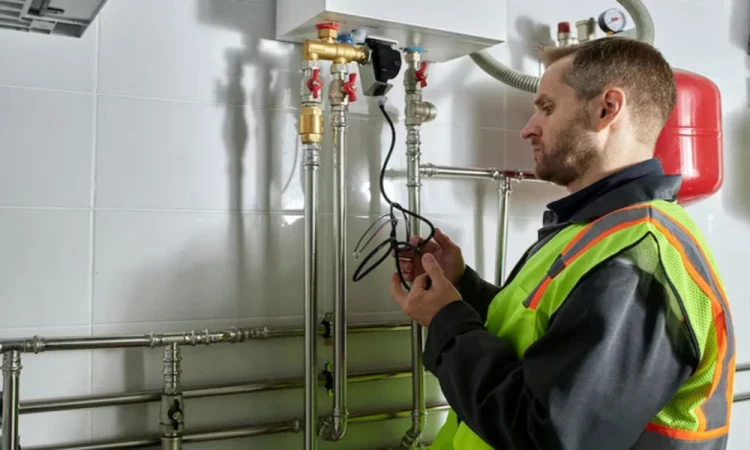
Heating, cooling, and plumbing systems often share the same spaces, utility connections, and maintenance risks. Checking them together can reveal hidden problems, reduce repeat service visits, and create a clearer plan for repairs. A coordinated inspection also helps homeowners improve comfort, efficiency, safety, and long-term system reliability throughout the year.
Most homeowners think about heating, cooling, and plumbing as separate parts of the house. In practice, these systems often affect one another. A leaking pipe can damage HVAC equipment, while excess humidity can encourage corrosion and indoor air problems. Scheduling an Arlington HVAC and plumbing service for a combined check gives technicians a broader view of the property. It can uncover connected issues before they cause breakdowns, water damage, or comfort problems. One coordinated appointment can also simplify maintenance decisions, reduce disruption, and help homeowners prioritize repairs based on safety, urgency, efficiency, and available budget more confidently over time overall.
1. Identify Connected Problems Earlier
HVAC and plumbing equipment often occupy the same basements, utility rooms, crawl spaces, or mechanical areas. A problem with one system can affect the other without creating an immediate warning.
A slow plumbing leak may expose a furnace, air handler, ductwork, or electrical connection to moisture. Poor drainage near cooling equipment can also cause water accumulation. Checking both systems together makes it easier to identify the source of moisture instead of treating only the visible damage.
Early detection may prevent corrosion, mold growth, damaged materials, and unexpected system shutdowns.
2. Reduce the Risk of Water Damage
Check Common Sources of Moisture
Plumbing leaks are not the only possible source of indoor water damage. Air conditioners and high-efficiency heating systems can also produce condensation that must drain correctly.
A combined inspection may include checks of:
- Exposed plumbing connections
- Water heater fittings and valves
- HVAC condensate drains
- Drain pans and pumps
- Pipes near heating and cooling equipment
Finding a blocked drain or loose connection early can protect flooring, walls, insulation, and nearby equipment. It may also prevent moisture from affecting indoor air quality.
3. Improve Household Efficiency
Heating equipment, cooling systems, and water heaters account for a significant share of household energy use. When any of them operate poorly, monthly utility costs may rise.
An HVAC system may run longer because of restricted airflow, dirty components, thermostat problems, or worn equipment. A water heater may waste energy because of mineral buildup or declining performance. Plumbing leaks can increase water use and force water-heating equipment to operate more often.
Reviewing these systems during the same visit provides a more complete picture of household efficiency.
4. Make Maintenance More Convenient
Arranging separate appointments can require more scheduling, preparation, and time at home. A coordinated Arlington hvac and plumbing service can make routine home maintenance easier to manage.
Technicians can document conditions across both systems and explain which concerns need immediate attention. They can also identify maintenance tasks that can wait and upgrades that may improve long-term performance.
This organized approach helps homeowners create a practical maintenance plan instead of responding to each problem as an isolated emergency.
5. Prepare for Seasonal Demands
Heating, cooling, and plumbing systems face different demands throughout the year. Cooling equipment works harder during hot, humid weather, while heating systems must remain dependable during colder periods. Plumbing components face year-round water pressure, mineral exposure, and daily use.
A coordinated inspection can confirm that major systems are ready before seasonal demand increases. It can also uncover issues involving furnaces, boilers, heat pumps, air conditioners, water heaters, sump pumps, drains, or exposed piping.
Seasonal preparation reduces the chance of discovering a neglected problem during extreme weather.
6. Prioritize Repairs More Effectively
A combined inspection does not mean every concern must be corrected immediately. Its main benefit is better information.
Ask the technician to classify findings into three groups:
1. Safety concerns requiring prompt action
2. Repairs needed to prevent further damage
3. Maintenance or upgrades that can be planned
This structure makes budgeting easier and helps homeowners focus on the work that offers the greatest immediate benefit.
7. Support Better Indoor Comfort
Temperature, humidity, airflow, drainage, and water performance all contribute to home comfort. A problem in one area can sometimes appear to be caused by another system.
High indoor humidity may relate to cooling performance, ventilation, or hidden moisture. Unusual odors may come from drains, standing water, or HVAC components. A combined review allows technicians to consider several possible causes before recommending a solution.
FAQs
1. Must HVAC and Plumbing Inspections Always Be Scheduled Together?
No. Separate service may be appropriate for a specific problem. Combined checks are helpful for routine maintenance, older homes, seasonal preparation, or properties with concerns affecting both systems.
2. Can a Plumbing Leak Damage HVAC Equipment?
Yes. Water can corrode metal components, damage electrical connections, affect insulation, and create moisture problems around nearby equipment.
3. Does a Combined Check Take Longer?
It may take longer than inspecting one system, but it can reduce the need for separate appointments and repeated access to the same areas.
4. Which Problems Require Immediate Attention?
Gas odors, active leaks, electrical damage, sewage backups, major water loss, and failed heating during cold weather require prompt professional attention.
5. How Often Should Both Systems Be Reviewed?
The right schedule depends on equipment age, condition, household use, and manufacturer recommendations. Annual maintenance planning can help identify suitable service intervals.
Conclusion
Checking HVAC and plumbing systems together gives homeowners a wider view of how the property is functioning. It can uncover leaks near mechanical equipment, drainage problems, declining efficiency, humidity concerns, and maintenance needs before they become expensive emergencies. Coordinated service also makes scheduling easier and helps organize repairs by urgency, safety, and budget.
Homeowners should not wait for a complete breakdown before arranging an inspection. Watch for changing temperatures, unusual noises, rising utility bills, low water pressure, slow drains, damp areas, and inconsistent hot water. These signs may indicate problems that affect more than one part of the home. A professional Arlington HVAC and plumbing service can evaluate both systems, explain the findings clearly, and help create a practical maintenance plan. This coordinated approach supports dependable comfort, safer operation, efficient performance, and fewer unexpected disruptions throughout the year.